Jamalpur district
5 parliamentary seats · 7 upazilas. The current member for each seat, according to Parliament's database.
About Jamalpur district
Jamalpur District is a district in Bangladesh, and part of Mymensingh Division. It was established in 1978 during the rule of Ziaur Rahman. It has its headquarters in Jamalpur.
The name
The district is named for its headquarters, Jamalpur. Jamalpur is named similarly to Shah Jamal, a Sufi saint from Yemen who came to spread Islam in the region during the reign of Akbar. The previous name was Shinghojani.
History
The district was previously known as Shinghajani. The most notable historical events include the Sannyasi rebellion, the Indigo revolt, famine, the advent of rail transport, and the Bangladesh Liberation War in 1971. The district used to be very famous and important in the past for its Bahadurabad ferry ghat. Ferries with trains used to cross the Jamuna River, going between Bahadurabad, Jamalpur and Tistamukh Ghat, Gaibandha. The rail-ferry System closed after the construction of Jamuna Bridge finished.
Geography
Spanning an area of 2115.16 km2, Jamalpur is located between 24°34' and 25°26' north and between 89°40' and 90°12' east. It shares an international border with the Indian state of Meghalaya in the north east. It is surrounded by Kurigram and Sherpur districts in the north, Tangail district in the south, Mymensingh and Sherpur districts in the east, Jamuna River, Bogura, Sirajganj and Gaibandha districts in the west.
People
According to the 2022 Census of Bangladesh, Jamalpur District had 652,047 households and a population of 2,499,738 with an average 3.81 people per household. Among the population, 476,607 inhabitants were under 10 years of age. The population density was 1,182 people per km2.
Economy
Jamalpur is an important economic hub in the northern region of Bangladesh. For many years, the district has been famous for agriculture, trade, and small industries. Rice, jute, sugarcane, tobacco, mustard, pulses, peanuts, betel leaf, eggs, leather, and handicrafts are some of the major products of this area. Jute and sugarcane have historically been two of the main cash crops of Jamalpur and have played a major role in the local economy for decades.
Culture and heritage
Folk music is popular in the district. Popular songs include "Gunaibibir Gan", "Jari Gan of Khairun", "Palagan of Rupvan", "Panchali", "Ghetu Gan" and "Meyeli geet". In the rural areas, various games and sports are practiced. These competitions include bullfights, horse racing, Moi race, and Lathi Khela. During the rainy season, boat races are arranged in the Jamuna river.
Source: Wikipedia, Jamalpur District · CC BY-SA 4.0
Map of the district
Boundaries from the Election Commission's description of the seats, drawn on the maps of OpenStreetMap (upazilas), OCHA (city corporations) and geoBoundaries (city wards; BBS, 2015); approximate. Background map from OpenStreetMap. 5 seats; tap an area to open that seat's page.

Seats and their members
Jamalpur is a district in Mymensingh division with 5 seats in Parliament: Jamalpur-1 (Baksiganj and Dewanganj upazilas), Jamalpur-2 (Islampur upazila), Jamalpur-3 (Madarganj and Melandaha upazilas), Jamalpur-4 (Sarishabari upazila) and Jamalpur-5 (Jamalpur Sadar upazila). In the 13th Parliament the seats are all held by the BNP. In the 12th Parliament (2024), of these seats the Awami League held 4 and an independent 1.
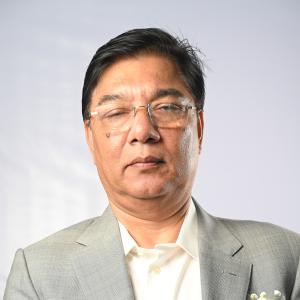 M. Rashiduzzaman MillatJamalpur-1, BNP
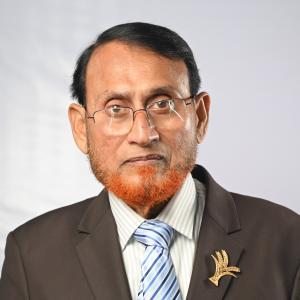 A. E. Sultan Mahmud BabuJamalpur-2, BNP
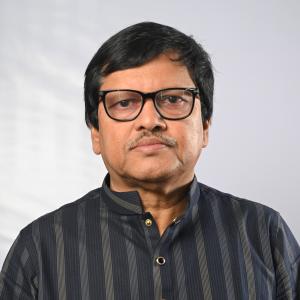 Md. Mustafizur Rahman BabulJamalpur-3, BNP
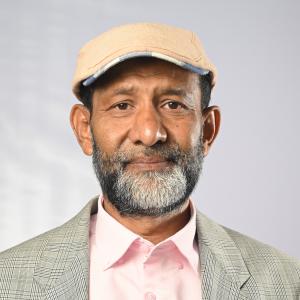 Md. Faridul Kabir TalukderJamalpur-4, BNP
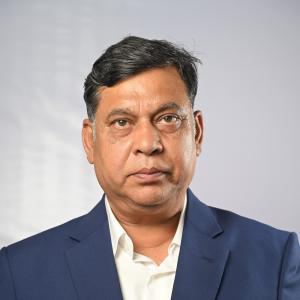 Shah Md. Wares Ali MamunJamalpur-5, BNP
Source: Parliament of Bangladesh | Updated 24 October 2026